BBPR
(1932) design studio of Banfi, Belgiojoso, Peressutti, Rogers
Luca Perlini · · 3 min read
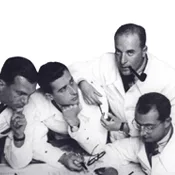
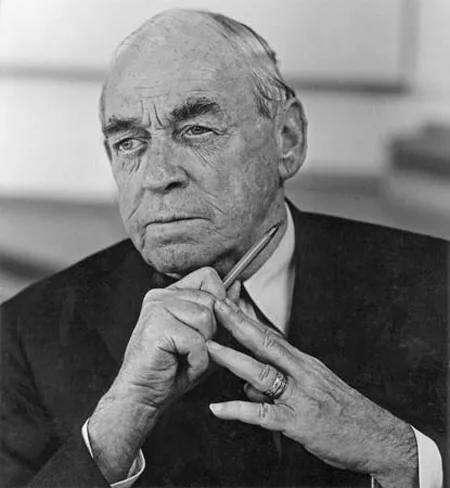
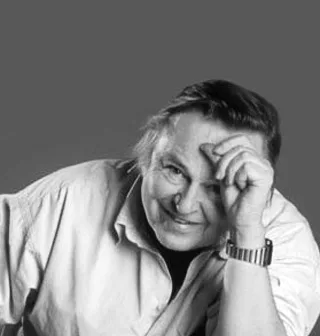
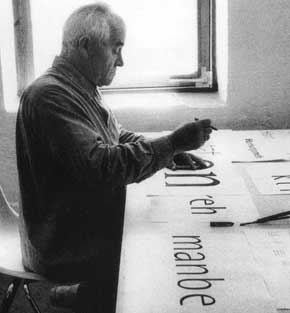
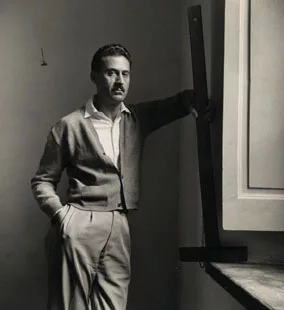
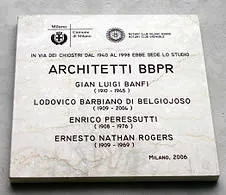
BBPR is the acronym of the group of Italian architects founded in Milan in 1932 by:
- Gian Luigi Banfi (Milan, 1910 - Gusen, 1945)
- Lodovico Barbiano di Belgiojoso (Milan, 1909 - Milan, 2004)
- Enrico Peressutti (Pinzano al Tagliamento, 1908 - Milan, 1976)
- Ernesto Nathan Rogers (Trieste, 1909 - Gardone Riviera, 1969)
Graduates of the Politecnico di Milano, in their early work the four followed the themes of 1930s Italian rationalism; although they were not members of the Gruppo 7 or the MIAR, they worked on some projects with Figini and Pollini.
Their language is clearly visible in an exemplary building such as the heliotherapy colony in Legnano (1938-1939).
They also stood out for several urban plans: the master plan for Pavia (1932), the tourist plan for the island of Elba (1939) and above all the largest and most important, the master plan for the Aosta Valley (1936-1937).
In those years they took an active part in the dispute between rationalists and traditionalists. At first, like others, they believed they could defend freedom of expression and modern architecture even within fascism, but after the racial laws of 1938, which also struck Rogers, the members of the studio embraced the ideals of the Resistance.
The war forced Rogers to flee to Switzerland, while Banfi took an active part in the Resistance and died in the Gusen concentration camp in 1945.
Belgiojoso was also deported to Mauthausen-Gusen, but he survived and returned to Italy after the camp was liberated by the Americans.
This tragedy, lived first-hand, marked the studio's post-war work, starting with an emblematic piece such as the Monument to the Fallen in the Concentration Camps at Milan's Monumental Cemetery (1946).
Meanwhile their rationalism opened up to the expressive changes of late Le Corbusier: many critics see in it a move towards brutalism, others a Neoliberty interpretation, above all in what many consider their masterpiece, the Torre Velasca in Milan (1956-1958).
Other important BBPR memorials:
- Gusen Memorial (1960-1965)
- Italian Memorial at Auschwitz (1970)
- Monument Museum to the Deported in Carpi (1973)
- Italian Memorial at Ravensbrück (1982)
- Monument to the Mauthausen deportees in Milan's Parco Nord, Sesto San Giovanni (1996)
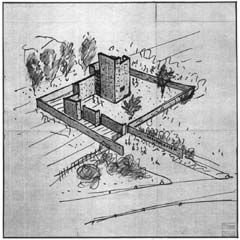
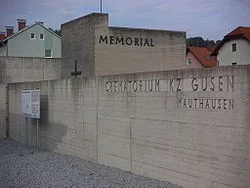
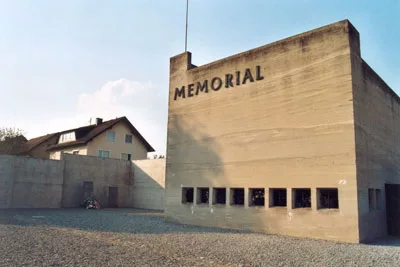
The Gusen memorial: the sketch and the finished work.
 In Palermo they designed the Banca Commerciale Italiana building (now Intesa Sanpaolo) in via Mariano Stabile, the Giornale di Sicilia building in via Lincoln (1969) and Palazzo Amoroso in piazzetta Santo Spirito.

Also in Palermo, in 1958 they designed the interior of the Randazzo optician's shop in via Ruggero Settimo. The shop was altered in 1987 by the architect Roberto Collovà and, after the last renovation in 2007, nothing remains of the BBPR design.
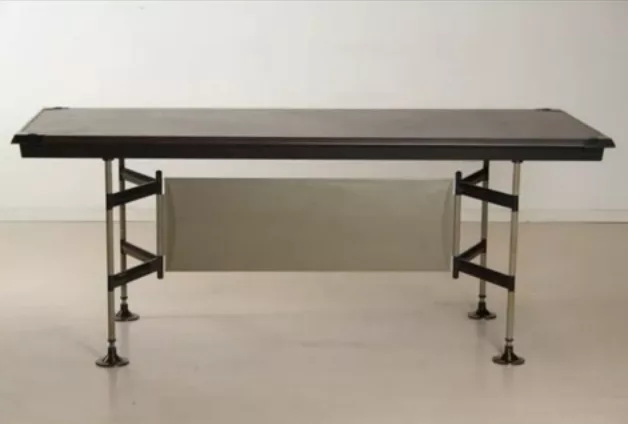
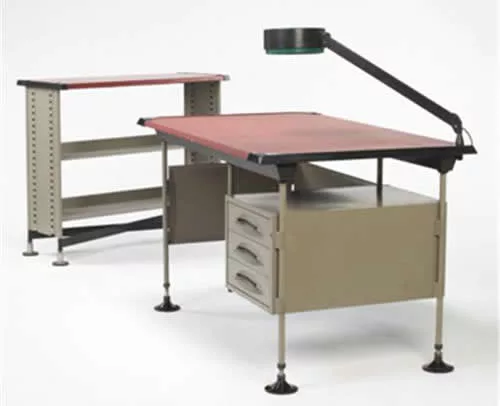
The "Spazio" office furniture for Olivetti.
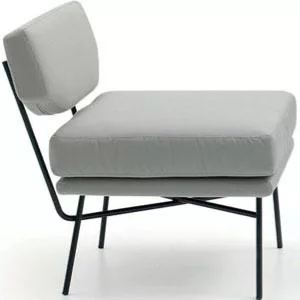
The group designed many products: the Elettra armchair for Arflex, the Spazio office furniture for Olivetti, among the first office furniture systems made in Italy, and the Emma and Velasca door handles for Olivari. The studio's importance, however, lay above all in its architecture and theoretical work.
Rogers edited first Domus and then, in the 1950s and 1960s, Casabella-Continuità, the two leading Italian architecture magazines, from which the group fought its battle for the formula "utility plus beauty".

In 1951 BBPR was entrusted with the exhibition "La forma dell'utile" (The form of the useful) at the 9th Milan Triennale, regarded as one of the starting points of Italian industrial design.
After the war Rogers, Peressutti and Belgiojoso also taught extensively in the architecture faculties of prestigious Italian and foreign universities.