Franco Albini
(1905-1977) architect and designer
Luca Perlini · · 4 min read
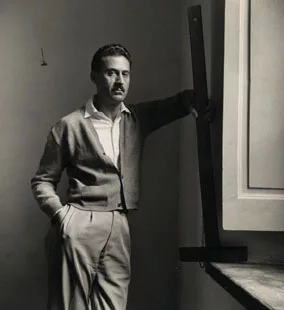
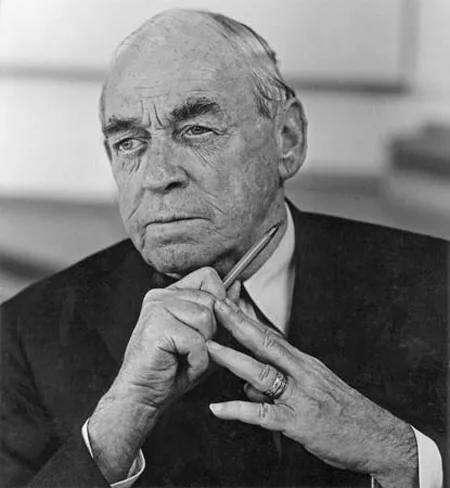
Franco Albini was born in Robbiate, near Como, on 17 October 1905.
He is one of the most important and rigorous Italian architects of the twentieth century: a follower of Italian rationalism, his work is known all over the world thanks to an extensive critical literature.
The son of an engineer, he graduated in architecture from the Politecnico di Milano in 1929; his travels in Europe allowed him to meet masters such as Le Corbusier and Ludwig Mies van der Rohe in person.
In 1931 he opened a practice with the architects Giancarlo Palanti and Renato Camus, and in the early years he designed mainly furniture and interiors.
He soon came into contact with the circle of Casabella (in 1932 he met Edoardo Persico), the magazine that in those years was the true melting pot of the Italian Modern Movement. In 1936 he received his first major commission, the Fabio Filzi housing estate in Milan.
In the late 1930s he took part, with important design teams, in urban plans and in the competitions for the EUR district in Rome, together with Ignazio Gardella, Giuseppe Pagano, Giovanni Romano and others.
In 1945 he was one of the founders of the Movimento Studi per l'Architettura (MSA), an important moment of cultural renewal, and for a short time he edited the magazine "Costruzioni Casabella" with Palanti.
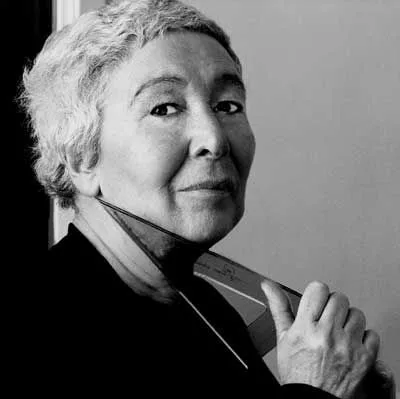
In 1952 the architect Franca Helg joined the practice as a partner; Albini would share all his later projects with her.
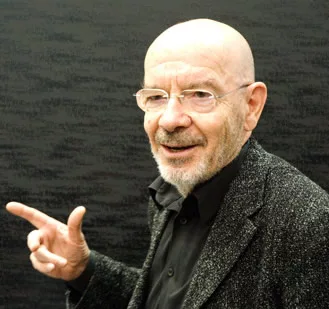
In the early 1960s Antonio Piva (1962) and Marco Albini (1965) also joined: together with Franca Helg they formed the team that would complete many of Albini's projects even after his death.
As early as the 1950s he received important commissions that were warmly received by critics. The layout of the Galleria di Palazzo Bianco in Genoa is one of the first museums set up in a historic building according to the principles of the Modern Movement, with interventions in sharp contrast to the existing structure.
Many prestigious commissions followed, notably La Rinascente department store in Rome (1957-1961) and the stations of Milan's metro line 1 (1962-1963), designed with the graphic designer Bob Noorda. His many masterly exhibition designs are also worth remembering.
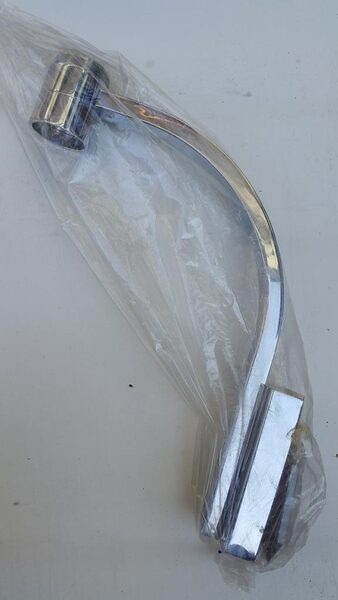
Throughout his career Albini worked as a designer as well as an architect, above all of furniture. Pieces such as his experimental tension-structure bookcase of the late 1930s made him a great innovator in this field. Several of the objects he designed, including some famous door handles, are still in production and sold all over the world.
Albini was also an important teacher: in 1949 Giuseppe Samonà called him, together with other leading architects, to the IUAV (Istituto Universitario di Architettura di Venezia), where he taught from 1949 to 1954 and from 1955 to 1964. In the 1954-1955 academic year he taught at the Politecnico di Torino, for the first time as a full professor, and from 1964 at the Politecnico di Milano.
He was a member of the CIAM, of the INU, of the Accademia di San Luca, of the American Institute of Architects (AIA) and, from 1970, of the CNR scientific institute for museography. Among his many prizes and awards:
- three Compasso d'Oro awards (1955, 1958 and 1964);
- the Olivetti prize for architecture (1957);
- the title of "Royal Designer for Industry" from the Royal Society of Arts in London (1971).
He died in Milan in 1977.
His main design works and installations:
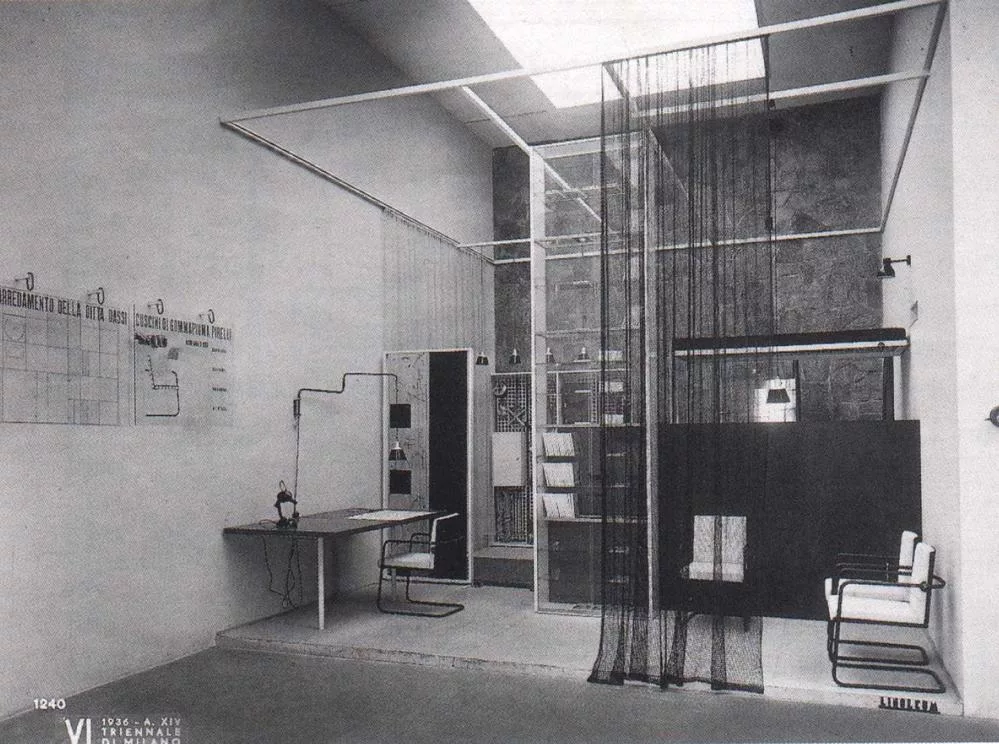
Room for a man (1936) - for the 6th Milan Triennale
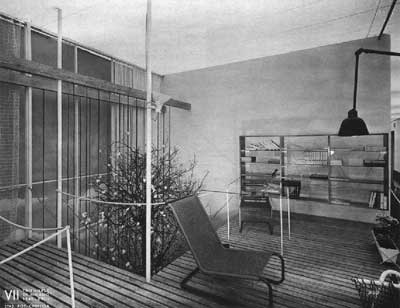
Living room for a villa (1940) - for the 7th Milan Triennale
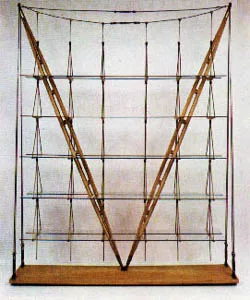
Tension-structure bookcase (1939-1940)
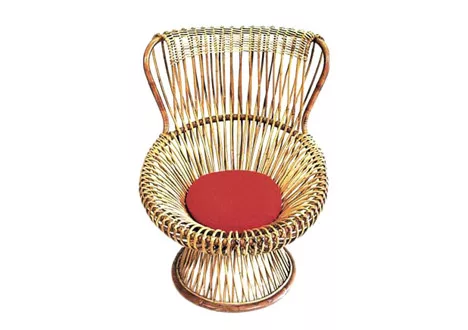
Margherita (1951) - armchair - Bonacina
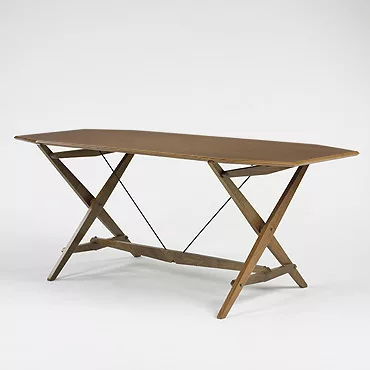
TL2 (1950) - trestle table - Poggi
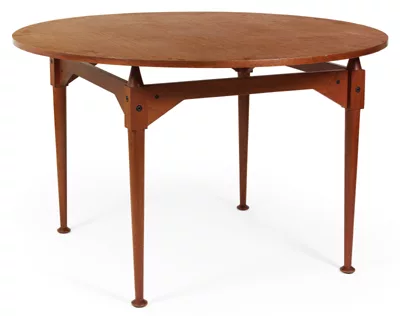
TL3 (1951) - knock-down table - Poggi
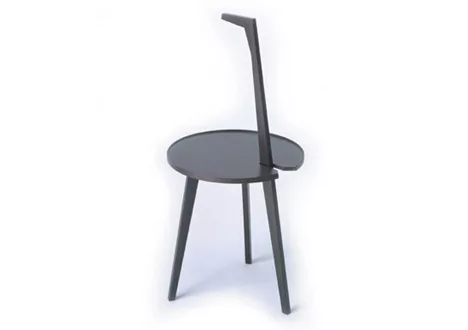
Cicognino (1952) - side table - Poggi
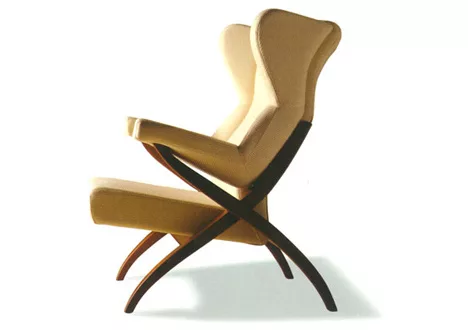
Fiorenza (1952) - armchair - Arflex
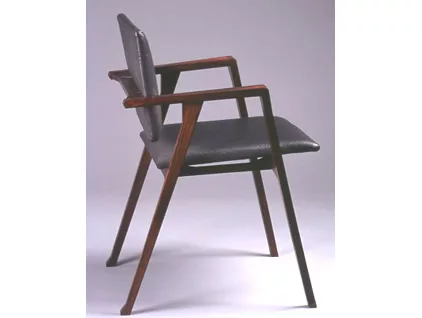
Luisa (1955) - armchair - Poggi
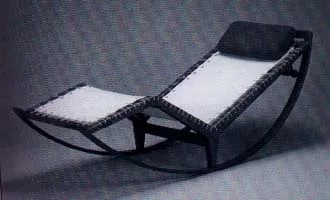
PS16 (1956) - chaise longue - Poggi
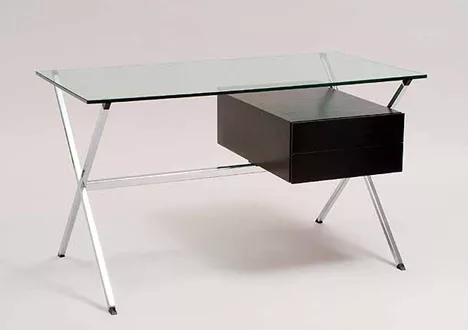
Albini Desk (1958) - desk - Knoll
Milan metro line 1 (1962-1963) - with Franca Helg and Bob Noorda