Joe Colombo
(1930-1971) architect and designer
Luca Perlini · · 2 min read
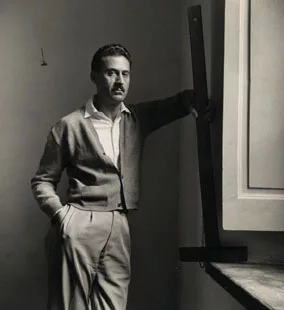
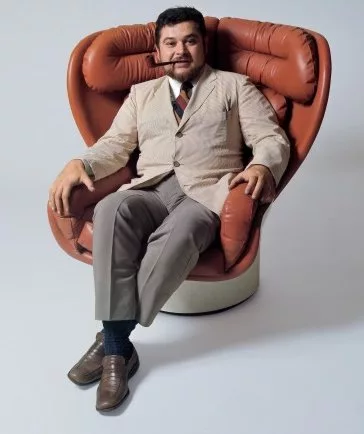 Joe Colombo was born in Milan in 1930. After attending the Brera Academy of Fine Arts and the Politecnico di Milano, he worked in painting, architecture and graphic design, and also ran a company.
A Milanese architect and designer, he began his career in the art world, exhibiting alongside artists such as Lucio Fontana and Roberto Matta (his brother Gianni was also an artist) and joining the Nuclear Movement and the MAC, the Concrete Art Movement. Towards the end of the 1950s he turned to design.
After his father's death he ran the family company making electrical equipment and experimented with new materials.
In 1962 he opened his own studio in Milan and devoted himself entirely to design. At the Milan Triennale he presented new ideas in design and interior architecture, including the "Programmable system for living".
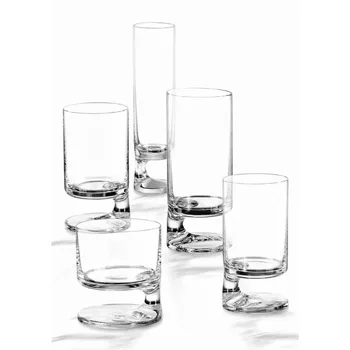
Smoke (1964) - glasses - Arnolfo di Cambio
In 1962, with his brother Gianni, he designed the Acrilica lamp for O-Luce, and he designed kitchen units for Boffi.
The Universale chair for Kartell (1965), one of the first chairs moulded in plastic in a single piece, became a best seller; it was followed by the Spider lamp for O-Luce, Compasso d'Oro in 1967, and the Alogena lamp, also for O-Luce, in 1970.
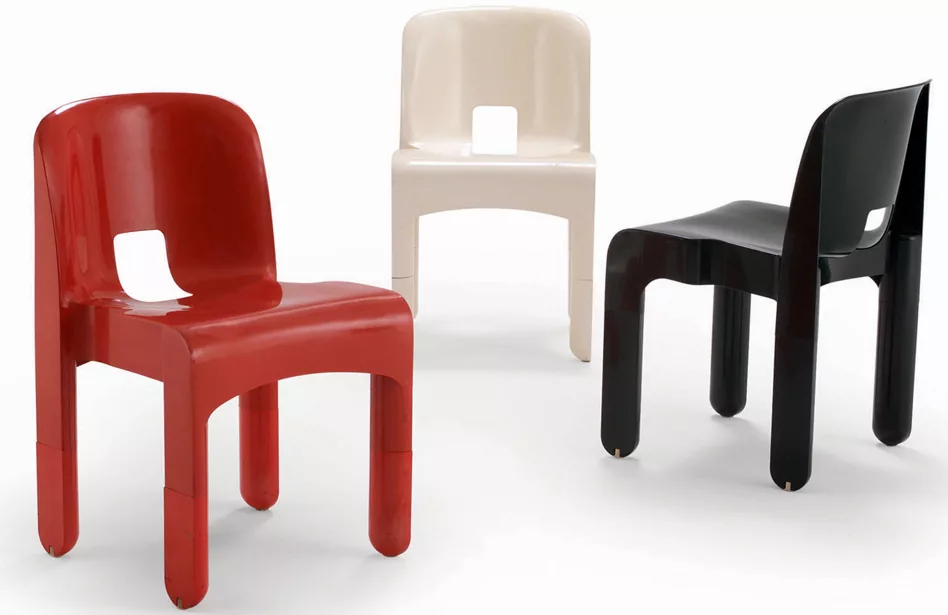
Universale (1965) - chair - Kartell
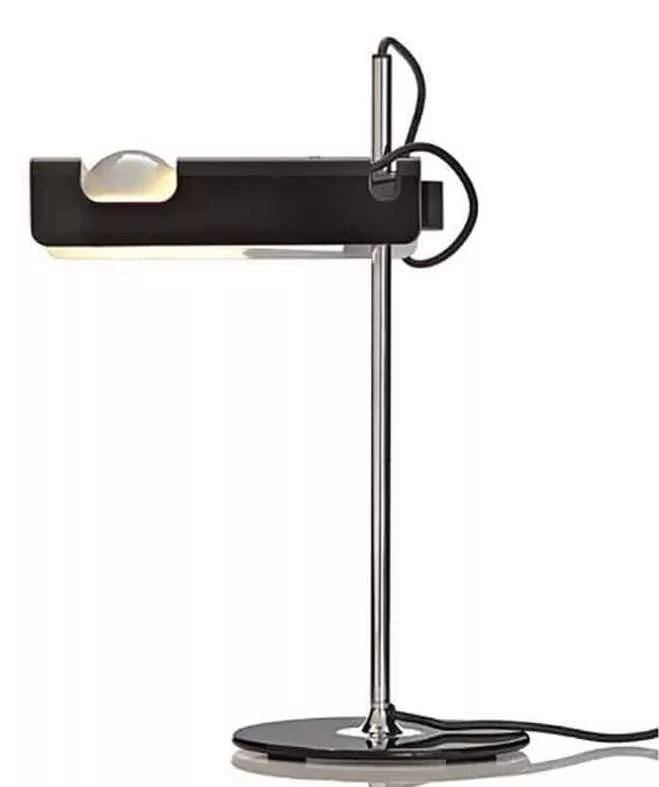
Spider (1965) - lamp - O-Luce
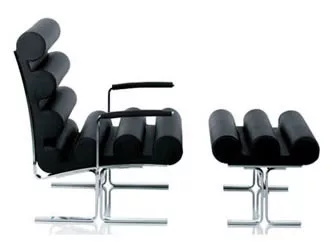
Roll - armchair
In 1972, at the exhibition "Italy: The New Domestic Landscape" at MoMA in New York, his "Total Furnishing Unit" was shown; many of his works are in the museum's design collection. In 1984 the Musée d'Art Moderne in Villeneuve-d'Ascq, France, held a retrospective of his work.
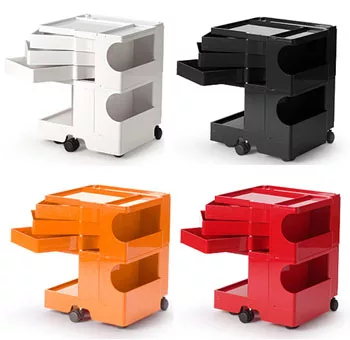
Boby (1970) - storage trolley - B-Line
He designed living systems that revolutionised the traditional idea of the home.
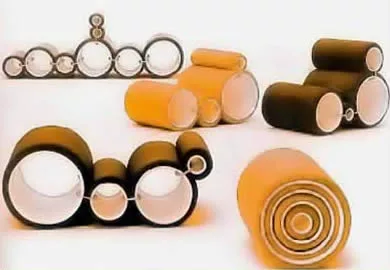
Tube Chair (1969) - modular seat
He died young in 1971, aged only 41. Many of his designs were produced in the following years, thanks in part to Ignazia Favata, who ran his studio.