Staatliches Bauhaus
The design school of Weimar, Dessau and Berlin (1919-1933)
Luca Perlini · · 2 min read
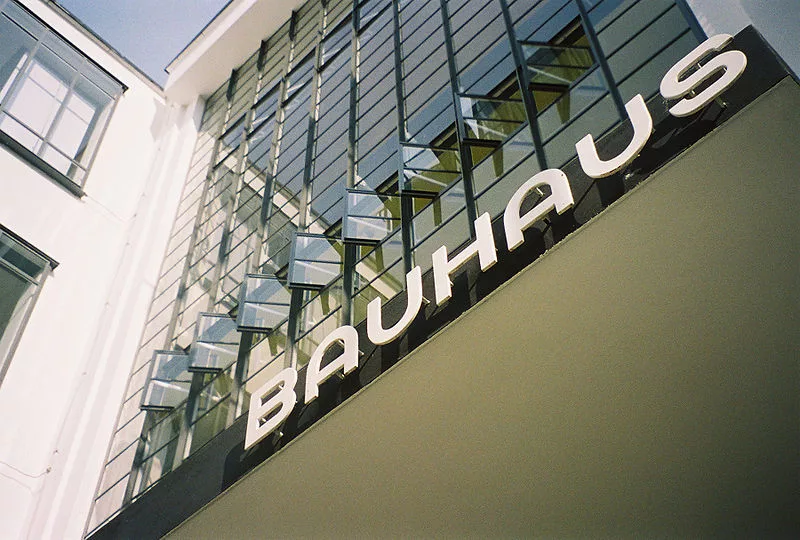
Bauhaus is the short name of the Staatliches Bauhaus, the German school of art, design and architecture that operated in Weimar from 1919 to 1925, in Dessau from 1925 to 1932 and finally in Berlin, until it closed in 1933.
Heir to the avant-gardes of the early twentieth century, it was not only a school but also the key reference for the whole movement of innovation in design and architecture known as rationalism, functionalism, "modern architecture" or even "Bauhaus style".

The Bauhaus building in Dessau.
Its teachers, of many nationalities, were leading figures of European culture. The school's teaching experience has had a profound influence on art and technical education to this day.
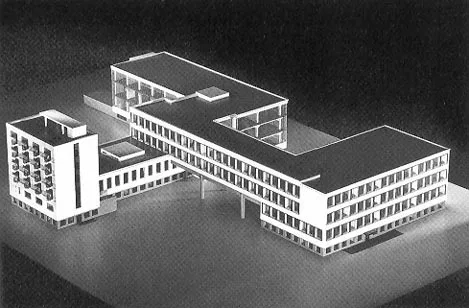
The model of the Bauhaus building designed by Gropius.
More generally, the Bauhaus was a crucial moment in the twentieth-century debate on the relationship between technology and culture.
The school was born from the merger of the Grand-Ducal Saxon Academy of Fine Arts and the Kunstgewerbeschule (School of Arts and Crafts) in Weimar.
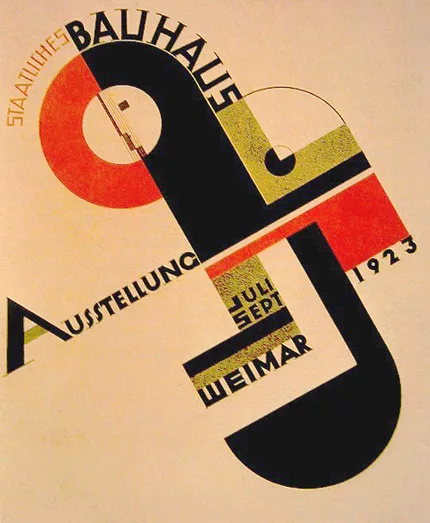
This origin sums up the programme of the new school, which aimed to bring the applied arts and architecture together. Its founder and first director was Walter Gropius, who championed a workshop-based education for designers and craftsmen alike.
The school began amid great practical difficulties, in Germany defeated after the First World War. In Weimar itself, in those same months, the constitution of the democratic republic was adopted, the republic that Nazism would sweep away in 1933.
Gropius led the school until 1928; after him it was directed by Hannes Meyer and Ludwig Mies van der Rohe.