Moral Design
Luca Perlini and honest design
Luca Perlini · · 5 min read
1. Material culture and craftsmanship
Craftsmanship preserves material culture, and practising it can also be seen as a form of meditation.
Culture is not only the words written in books. Those who came before us also speak to us and hand down knowledge through their material works. An eighteenth-century church bench tells us a great deal about the world that produced it: its shape reveals the mindset of whoever conceived it, its wooden boards the technology available, its construction details the experience of whoever assembled it.
In craftsmanship the relationship with nature becomes direct, and experience teaches its essential rules. Today's craftsman can choose to use traditional honest materials or disguised ones.
Honest materials are those that show themselves according to their own nature; disguised materials, on the other hand, are transformed so that they appear to have a different nature from their own. A walnut board is therefore an honest material, while a wood-effect laminate panel is a disguised one.
This distinction is essential when design aims at quality and honesty: quality never needs to be hidden, mediocrity always does.
The relationship between quality and truth is essential. Visual lies remain deceptions; instead, we must understand that there are no noble materials, only materials suited to the needs of the design. A pan with a gold handle placed on the fire would burn our hand as we tried to grab it, while one with a humble wooden handle would do its job.
History offers many attempts to combine social criticism and design theory: William Morris's Arts and Crafts, the social goals at the dawn of the Modern Movement, moral design as a means of improving society through the domestic environment in Scandinavian design.
Today, however, alongside these social and moral goals we must also consider other aspects, linked to ecology and the way we consume products.
2. Ecology, consumption and quality
The search for environmental balance is a need that must push us to rethink the foundations of the system and improve it, through the search for truth.
We must get rid of the moral sins contained in designs and in compulsive consumer behaviour: the greed that does great harm for little gain, embodied for example in planned obsolescence; the lie of the endless chase, the fashion for the updated model, which leads us to replace products that still work; the disrespectful use of objects, which leads to useless and excessive consumption.
We need to propose a new, more conscious morality. Every product should come with instructions for scheduled maintenance, to keep it working at its best, and be designed to be repaired. We must practise conservation through restoration.
Evidence from the past tells us of a world in which products were often made to last and to be repaired. It is not unusual to find wooden furniture two or three hundred years old, the fruit of all the technical knowledge accumulated over the centuries. The effort needed to produce without specialised machinery or automation was immense, and for that very reason aimed at creating quality.
Quality lasts. Commitment improves the human spirit: work ennobles man.
3. Designing the product
Archè, origin. Tecton, maker.
The architect is therefore the first of the makers: on the basis of physics, that is the nature of material things, and of his own morality, or metaphysics, he defines the order of things.
Industrial and handmade, digital and analogue: these may seem opposites, but they are only the tools the architect-craftsman uses to shape the design. Architecture is order. Functionality is one of the aspects underlying the form of objects.
The shapes of objects, the spatial configurations they can take, are limited: the theory of the Platonic solids shows the possibilities in a schematic model. One form can serve several functions.
Nature is unchanging, so it is the human mind that defines the design. Objects that perform the same function change over time, become specialised, are perfected. Personal vision and historical period influence the results. In the Renaissance the unity of the arts and of knowledge produced sudden progress, and many ideas that remained on paper were prophetic.
For the architect the tools of study are always the sketch, the drawing, the model and the finished work, which serves as a test. Symbol and colour refer to spiritual aspects and sum up ideal concepts, in direct relation to decoration, which can be accidental or applied.
Accidental, when the form of an object coincides, intentionally or not, with a symbolic form.
Applied, when any kind of decoration is placed on top of the form. Colouring an object is therefore also a form of applied decoration.
The surface textures of materials themselves, both honest and disguised, should be considered a form of decoration and a means of expression.
The effect of time and use on objects creates the character of things that have been lived with, and it must be taken into account and designed. The representation of the design and the illustration of the product are very important commercial factors, which affect the effectiveness of communication and storytelling.
The more an object evokes the archetype, that is the original form and function it ideally should have, the more recognisable it is to customers. Customers are more inclined to buy what they know than to try what they do not. The evolutionary strategy favours the path of least resistance, because it saves energy, and so it always tends towards the familiar: hence the importance of advertising and storytelling.
15 March 2021
Luca Perlini
4. Design examples
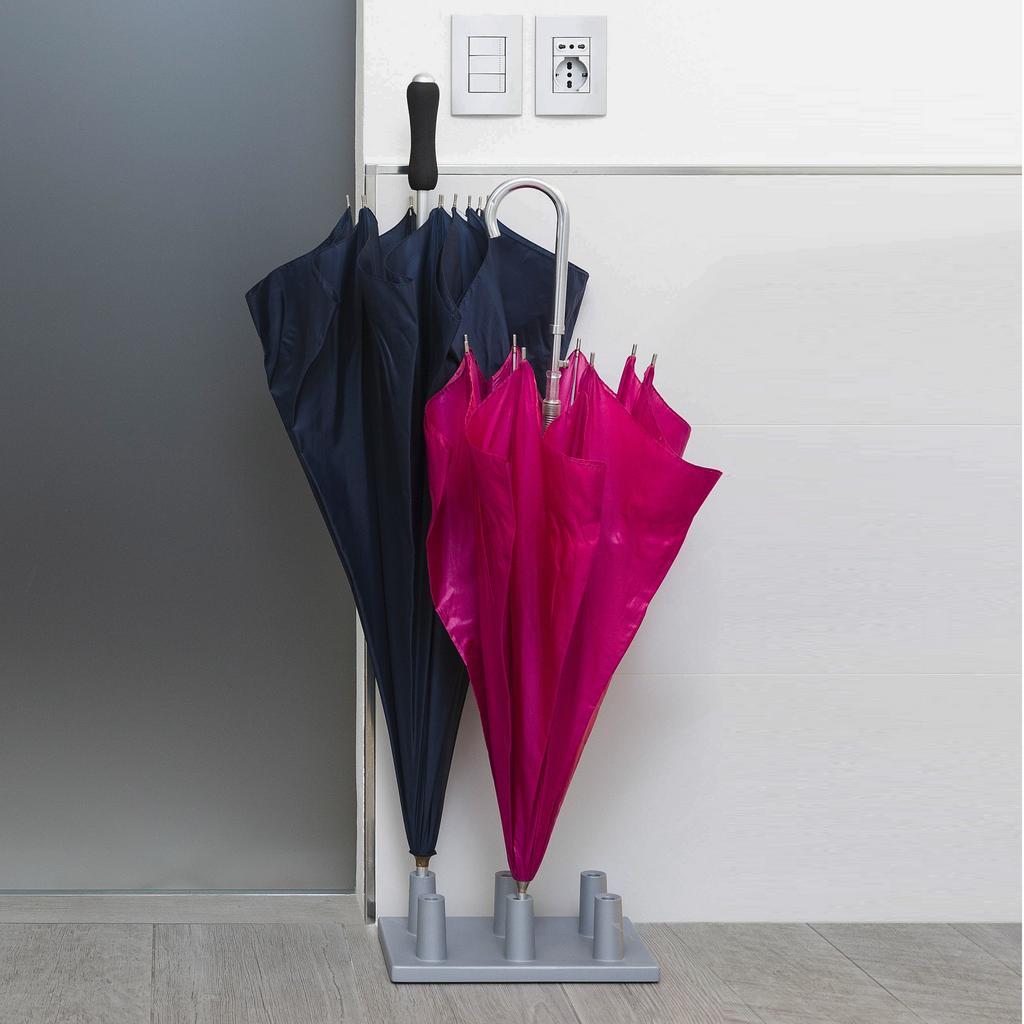
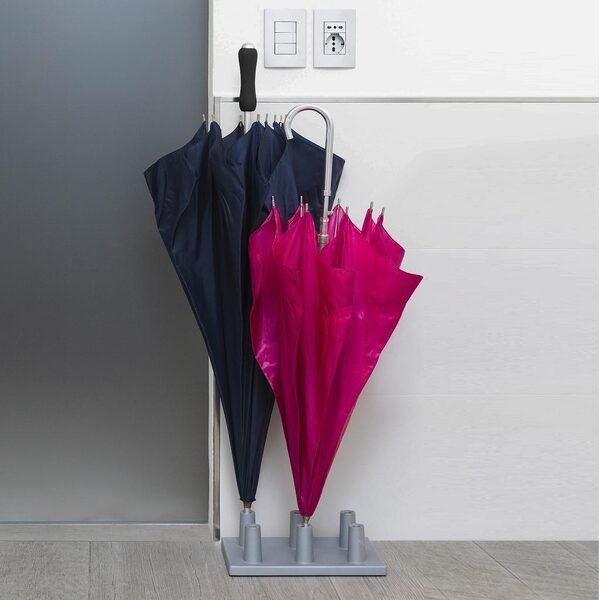
Aluminium umbrella stand: recyclable, sturdy, made from a single piece, modular, customisable.
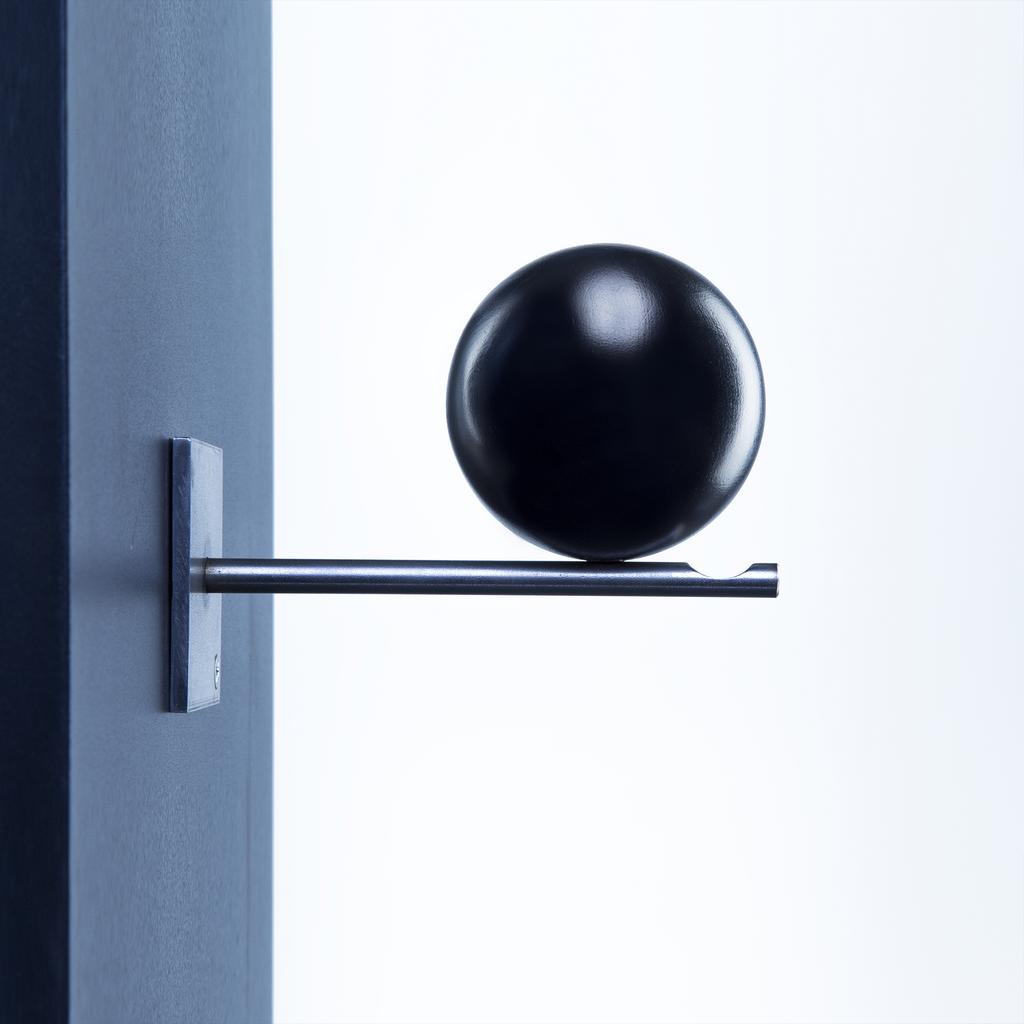
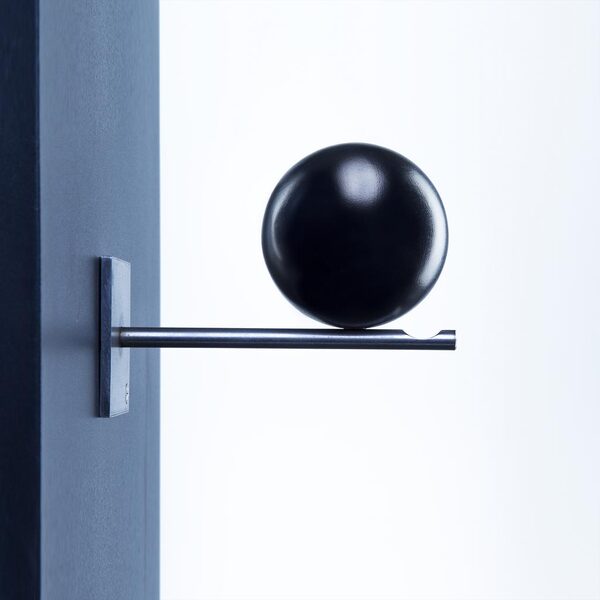
Equilibrio coat hanger: references to minimalism and arte povera, solid construction, attention to environmental impact and maintenance, customisation.
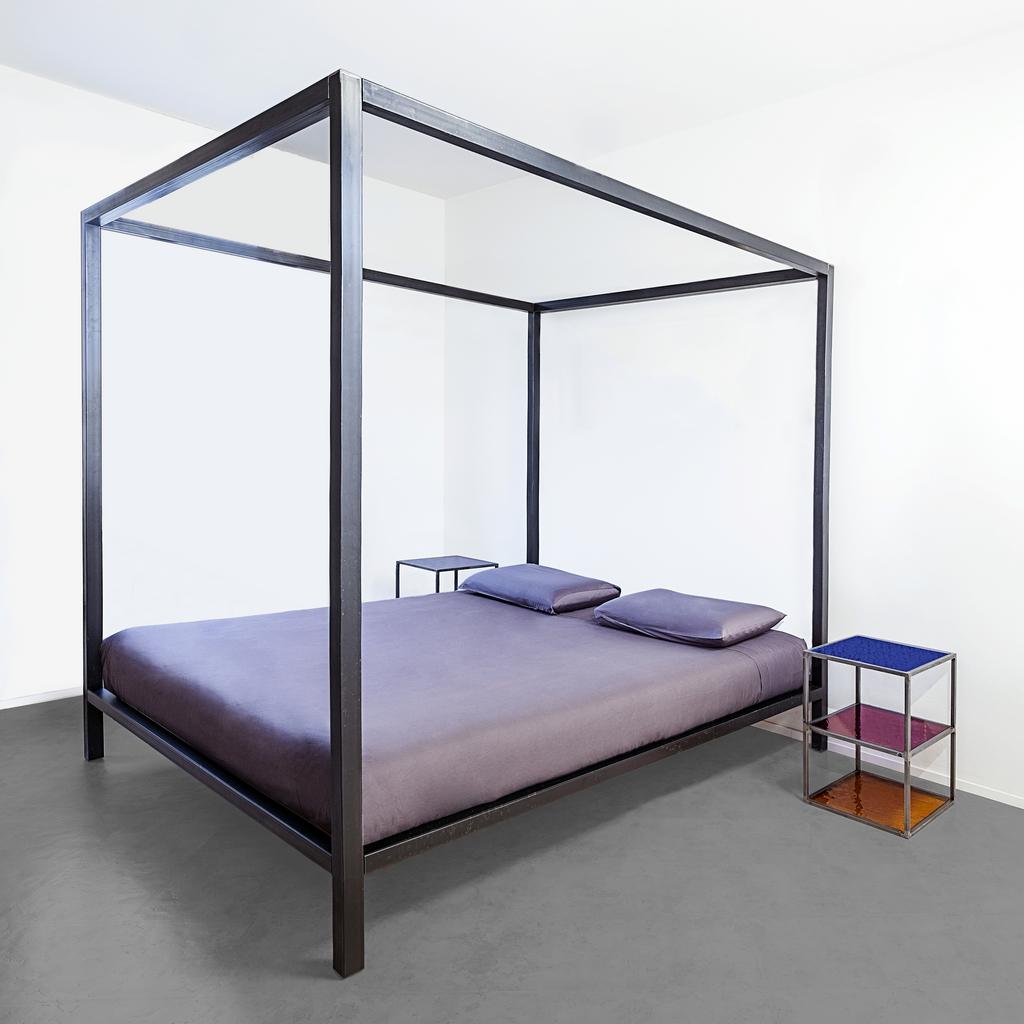
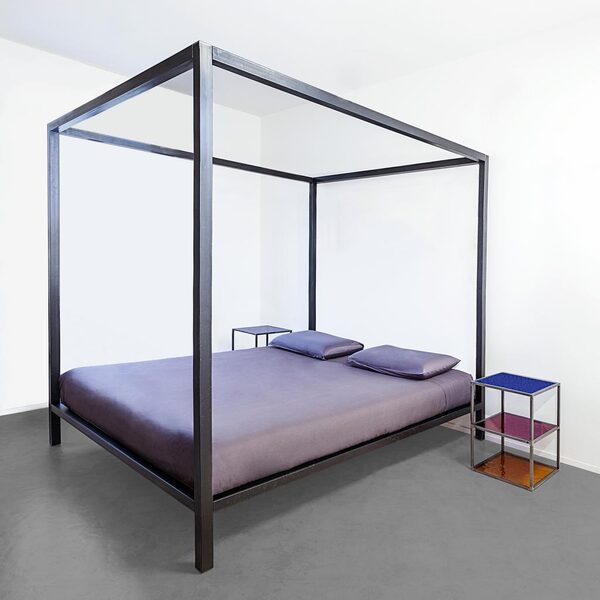
Four-poster bed: designing bulky objects in the age of e-commerce.
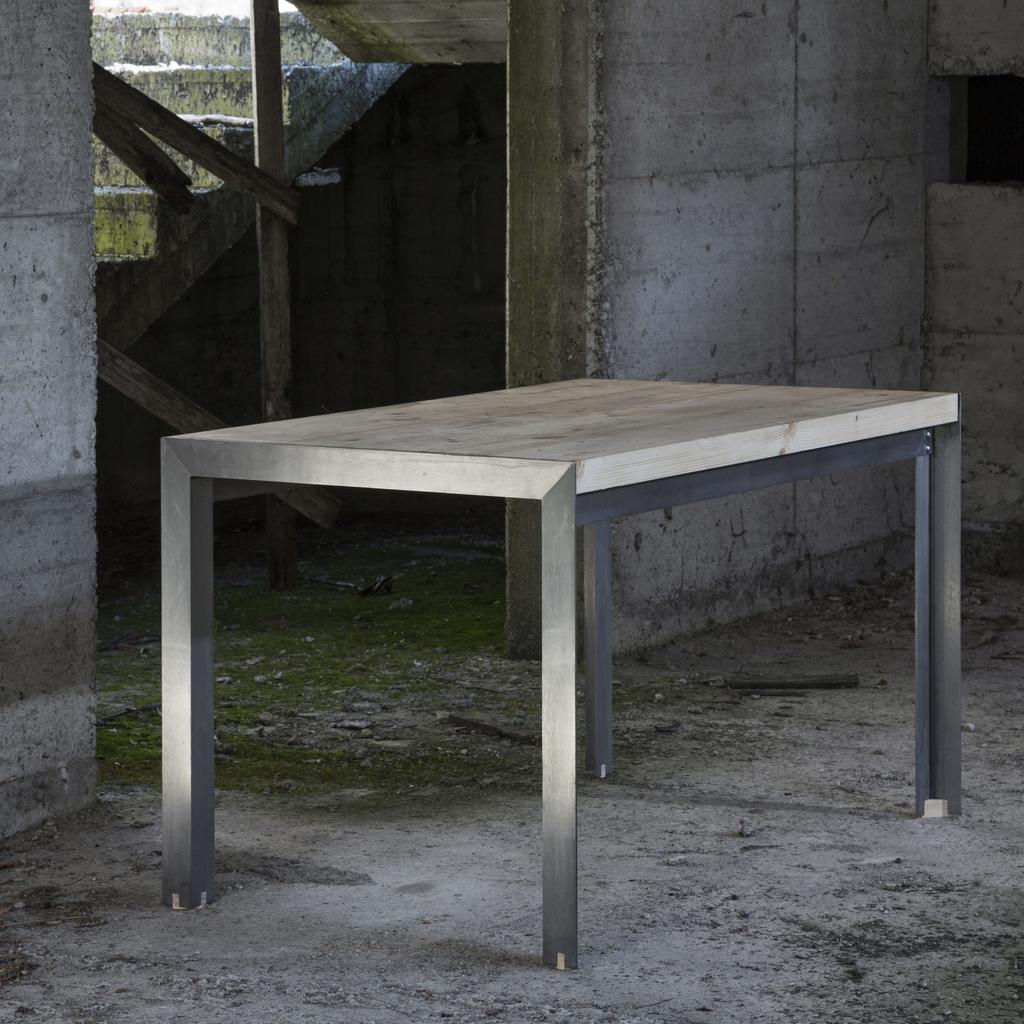
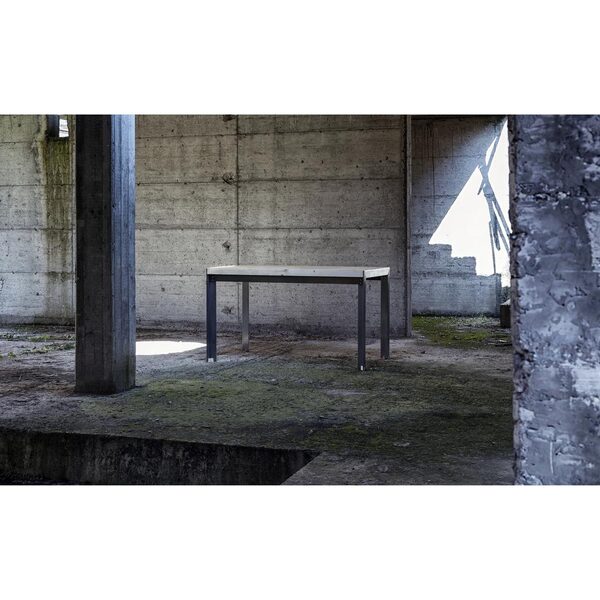
Elle table: sturdiness, honest materials, easy shipping, customisable sizes and finishes.